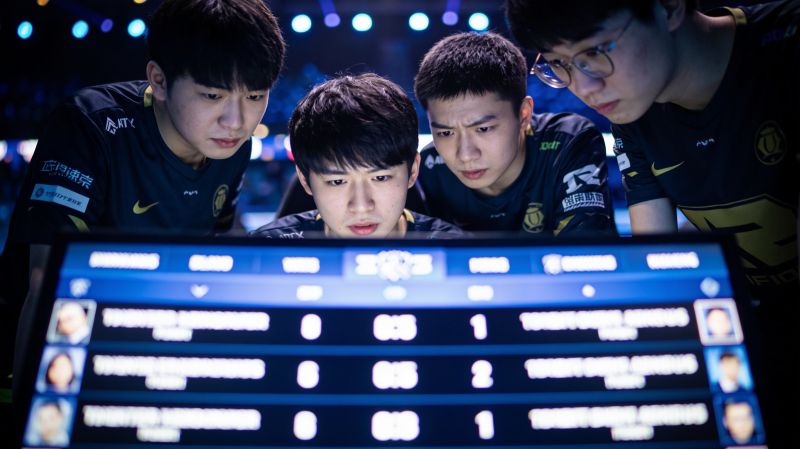
Weibo Gaming's recent outings have offered a clear window into a team in transition. The most striking element from the WBG latest matches isn't a single highlight-reel play but a deliberate recalibration of draft priorities. In three consecutive games against top-half opponents, WBG moved away from the comfort of late-game scaling compositions and instead leaned into early skirmish tools—Renekton。Nautilus, and a surprisingly aggressive Varus pick. That shift produced mixed results: a dominant 22-minute win over Invictus Gaming, followed by a frustrating loss to Bilibili Gaming where the early lead evaporated through two poorly coordinated Baron attempts. The pattern suggests coaching staff are testing the roster's ceiling rather than optimizing for safe wins.Individual form tells a more nuanced story than the win-loss column. The mid laner。Xiaohu, has quietly posted thehighest damage-per-minute share of his season across the last four games, yet his laning phase remains inconsistent—he died solo twice before the eight-minute mark in the series against LNG. The jungle-mid synergy, a hallmark of WBG's best stretches last year, currently looks clipped. Camp sequencing in the first six minutes has favored top-side invades, leaving bot lane isolated and forced into defensive warding patterns. You can see the hesitation in how the support rotates: the typical level-six roam to mid has been delayed or abandoned entirely in favor of deep river vision, which often arrives five seconds too late to matter.What stands out from watching the WBG latest matches live is the disconnect between early-game planning and mid-game execution. Against EDward Gaming, WBG secured two Rift Heralds—a rarity for this roster—but converted neither into a tower plate. The team's gold lead peaked at 2.1k around fourteen minutes。
then flatlined. Macro decisions around side-wave management feel reactive rather than pre-planned;players frequently recall at awkward timings, yielding free tempo. One specific sequence against Rare Atom was telling: after a clean four-for-one fight near mid, three WBG members backed immediately while the surviving enemy jungler solo-took the dragon. That's not a mechanical failure—it's a communication gap that good teams punish.Draft flexibility deserves credit, though. The willingness to pick Kalista for the ADC role in two recent matches, despite the champion's low priority across major regions, shows a genuine attempt to diversify win conditions. It worked once and backfired once. The loss exposed a rigid follow-up: when the early bot-lane dive failed。
WBG had no mid-game answer and defaulted to passive wave clearing until the enemy's scaling composition came online. That's a familiar story for this roster, and it's why the latest matches feel like a diagnostic tool rather than a finished product. Playoff seeding is still within reach, but the margin for these experimental drafts is shrinking fast.Looking ahead, the key variable isn't champion pool or mechanical skill—it's whether the team can synchronize its aggression windows. The data from recent games points to a squad that wins early skirmishes at a respectable rate (58% first-blood conversion) yet ranks near the bottom in gold-difference-at-15-minutes among playoff contenders. Closing that gap requires cleaner reset decisions and more disciplined objective trades. Until then, the WBG latest matches will continue to be a frustrating mix of sharp individual plays and disjointed collective timing—worth watching, but hard to trust.